hotel lobby video template
Hotel Lobby Video Template: Picking the Right Preset Scene
Pick a scene. Your faces do the rest.
Reviewed against the live product on 2026-10-04. The generator offers 480p or 720p, one photo per performer, and a template-set length.
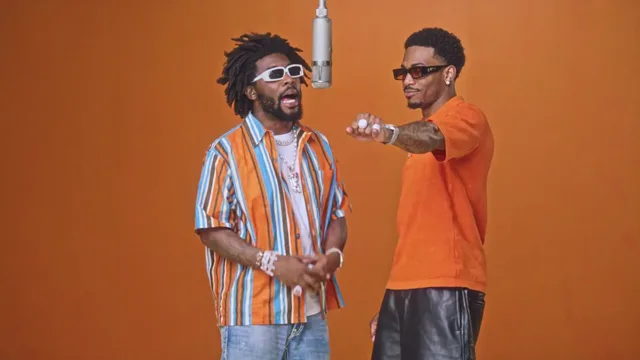
A hotel lobby video template is the piece of a photo-to-video workflow that decides everything except who is on screen. It supplies the scene, the camera angle, the lighting, the movement, and the length of the clip. You supply the photos, and the template carries them through a performance that was staged in advance.
That makes the template the single most important creative choice in the whole process. There is no prompt to write and no timeline to edit, so the scene you pick is the scene you get. Choosing well is the difference between a clip that feels intentional and one that merely functions.
Hotel Lobby AI Video ships eight preset templates, each bound to a real, licensed source video. This guide walks through all of them, explains what a template actually contains, and gives you a practical way to match one to your photos.
Make your video here
Choose one photo per performer, preview them and swap positions. Generation requires sign-in and uses your account credits. Use photos you have permission to upload.
Choose your performers
Clear front-facing photos work best — one person per image, no covered faces.
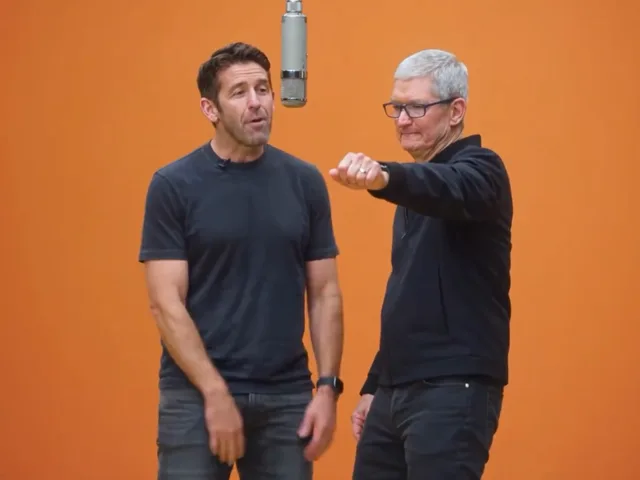
Two people performing a short studio duet, recast with your two photos.
Each generation uses credits from your balance.
Sign in to generate videos.
Signing in keeps selected photos in this browser for your return. The draft expires after 20 minutes and is removed on return or the next visit after expiry.
Template preview — your two photos replace these performers.
Preview and change the motion template
Classic Duo
Two people performing a short studio duet, recast with your two photos.
High Energy Duo
A faster, more upbeat two-person studio performance.
Soft Groove Duo
A slower, relaxed two-person studio groove.
Still to Motion
A still portrait brought into gentle motion.
Minimal Motion
Subtle movement with a minimal set and camera.
Kangaroo Boxer
A single boxing-kangaroo motion source from your provided material.
Duo Conversation
Two performers facing each other in a dialogue scene.
Cinematic Duo
A wider, more cinematic two-person framing.
Tools used in this guide
What a video template contains
A template is more than a filter or a style preset. It is a complete short scene: real footage of performers moving in a defined space, captured with a specific camera position and lighting setup. The tool uses that footage as a source of motion and rebuilds it around your photos.
Because the scene is real, the result inherits its qualities. The framing is composed rather than guessed. The rhythm of the movement is human rather than mechanical. The lighting is consistent from the first frame to the last. None of those things are under your direct control, which is exactly why they stay steady when you swap in a different pair of faces.
A template fixes duration as well. There is no separate length selector, because the source scene already has a length. That constraint is deliberate: it keeps clips short and consistent, and it removes a decision most people would rather not make.
- The scene, setting, and camera framing.
- The movement and its timing.
- The lighting and colour character of the footage.
- The length of the generated clip.
The eight templates, in detail
Each template targets a different mood, and several are built specifically for two performers. Reading these descriptions before you upload is the fastest way to land on a good result.
- Classic Duo — two people performing a short studio duet. The balanced default, and the safest first pick for a pair of portraits.
- High Energy Duo — a faster, more upbeat two-person studio performance. Choose it when you want visible energy.
- Soft Groove Duo — a slower, relaxed two-person studio groove. A calmer rhythm that suits gentler photos.
- Still to Motion — a still portrait brought into gentle motion. Restrained movement rather than a full performance.
- Minimal Motion — subtle movement with a minimal set and camera. Quiet and uncluttered.
- Kangaroo Boxer — a single-performer motion source. Built for one person, not a duet.
- Duo Conversation — two performers facing each other in a dialogue scene. Emphasizes the relationship between the two.
- Cinematic Duo — a wider, more cinematic two-person framing. Gives the pair more room in the frame.
Which templates need one photo and which need two
This is the detail most people miss. Seven of the eight templates are staged for two performers, so they expect two uploads. Kangaroo Boxer is the exception: it is a single-performer source, so it takes one photo.
Uploading a single photo into a duet template, or two photos into a solo one, is the most common avoidable mistake. The tool assigns each upload to a performer slot, so the number of photos should match the number of performers the scene is built for.
If you only have one usable photo, start with Kangaroo Boxer. If you have two, the duet templates give you far more range, from high energy to cinematic.
Matching a template to your photos
The most reliable approach is to match mood to mood. Formal, composed portraits sit well in Classic Duo, Duo Conversation, or Cinematic Duo. Bright, playful photos pair naturally with High Energy Duo. Soft, gentle photos often look best in Soft Groove Duo or Minimal Motion.
Lighting is the second signal. Photos with warm, even light blend into scenes that share that character. A photo shot in harsh, cool light may look slightly separated from a warm studio scene, and a template with softer lighting will hide that difference better.
If you are torn between two templates, stop reasoning and test. A 480p generation is fast, so running the same two photos through two candidate scenes usually settles the question faster than deliberation. Seeing your own faces in each scene makes the difference obvious.
Templates versus prompts
A prompt-based generator asks you to describe a scene, then invents it. That is flexible, but it is also variable: slight changes in wording shift the output, and there is no guarantee the movement you get matches what you pictured.
A template-based workflow removes that variability. The scene is fixed, so running it twice with the same photos produces a consistent result. Your creative decision is limited to choosing a scene, but in return the camera work, timing, and lighting are reliable every time.
There is a practical benefit for paired content, too. Because templates are repeatable, you can place the same two people into several scenes and compare them directly. With prompts, every attempt is a new interpretation, which makes comparison much harder.
Swapping performers and reusing a template
Once you have a template you like, it becomes a reusable format. The performers can change while the scene stays the same, which is useful if you want a consistent look across several clips. Use Swap before generating if you need the two people on opposite sides.
You can also revisit a template later with new photos. Just replace the uploads and generate again — the scene reruns identically, with the new faces in place. This is the closest thing the workflow has to a saved style, and it costs nothing to reuse.
One caution: if you change a photo but not the template, the previous result no longer represents the new input. Re-run the generation rather than assuming the old clip still matches.
Where templates come from, and why that matters
Every template in the catalog is bound to a real, licensed source video rather than a set of stock poses. That matters for two reasons. First, a real scene produces more natural movement than a synthetic one. Second, a licensed source means the material is cleared for use, which is the responsible way to run a feature that generates videos of real people.
It also means the catalog is curated rather than infinite. The trade-off of a fixed set of templates is that you choose from scenes the product has vetted, rather than describing anything you can imagine. For most users, that trade is worth it: the scenes are staged well, they behave predictably, and the whole workflow stays a few minutes long.
Frequently asked questions
How many templates does Hotel Lobby AI Video offer?
Eight preset templates: Classic Duo, High Energy Duo, Soft Groove Duo, Still to Motion, Minimal Motion, Kangaroo Boxer, Duo Conversation, and Cinematic Duo.
Which templates take two photos?
Seven of the eight are staged for two performers. Kangaroo Boxer is the single-performer source and takes one photo.
Does the template set the video length?
Yes. Each template has its own duration, so there is no separate length setting to choose.
Can I write my own scene instead of using a template?
No prompt is required or accepted for scene creation. You choose a preset template, and the template defines the scene and motion.
Can I use the same template again with different photos?
Yes. Upload the new photos and regenerate. The scene reruns the same way with the new performers in place.
What resolutions can I generate in?
Both 480p and 720p are available. 480p is a fast way to compare templates, and 720p gives a sharper final file.
Pick the moment
Each use case opens the same real generator with a template chosen for that occasion.
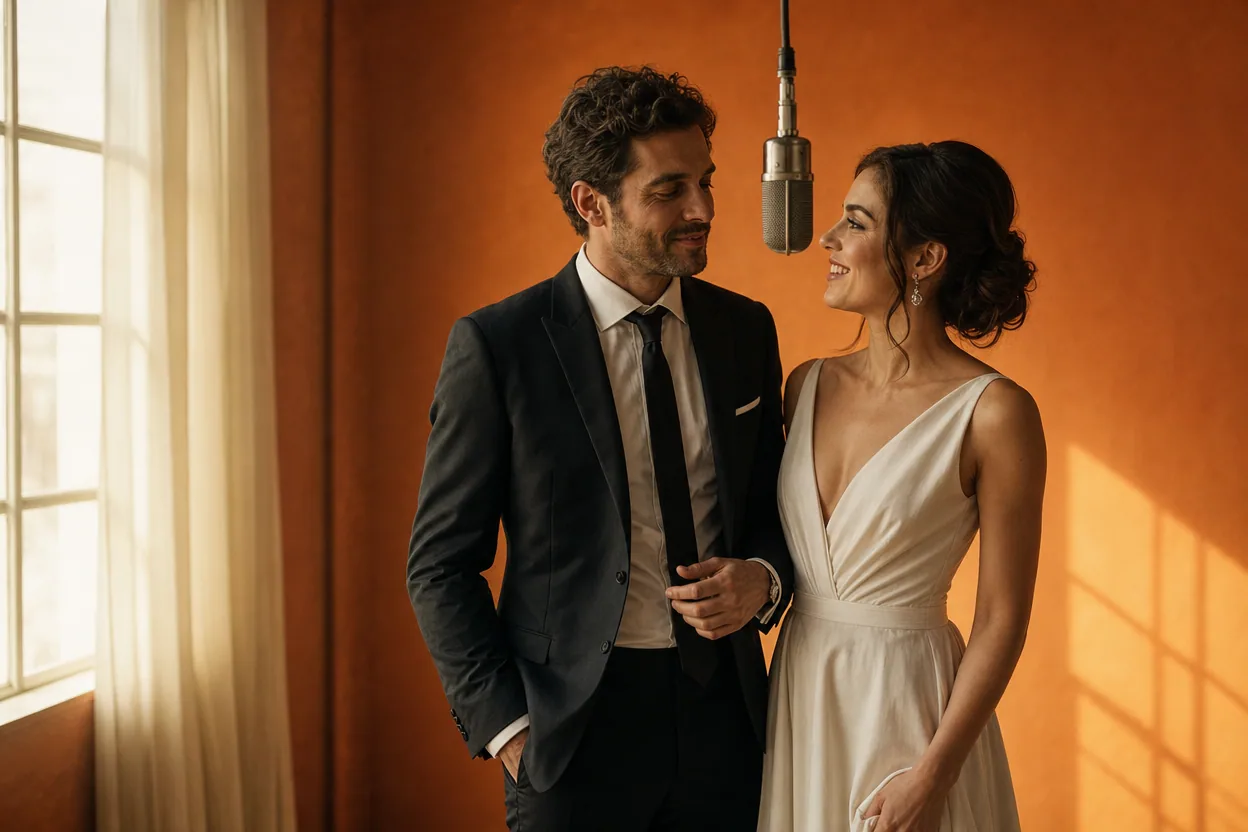
Wedding and couple keepsakes
Wedding Photo to Video
A wedding photo to video gives two formal portraits a shared moment of movement. You upload one photo of each person, choose a cinematic template, and the two faces are placed into the same short performance.
Open this use case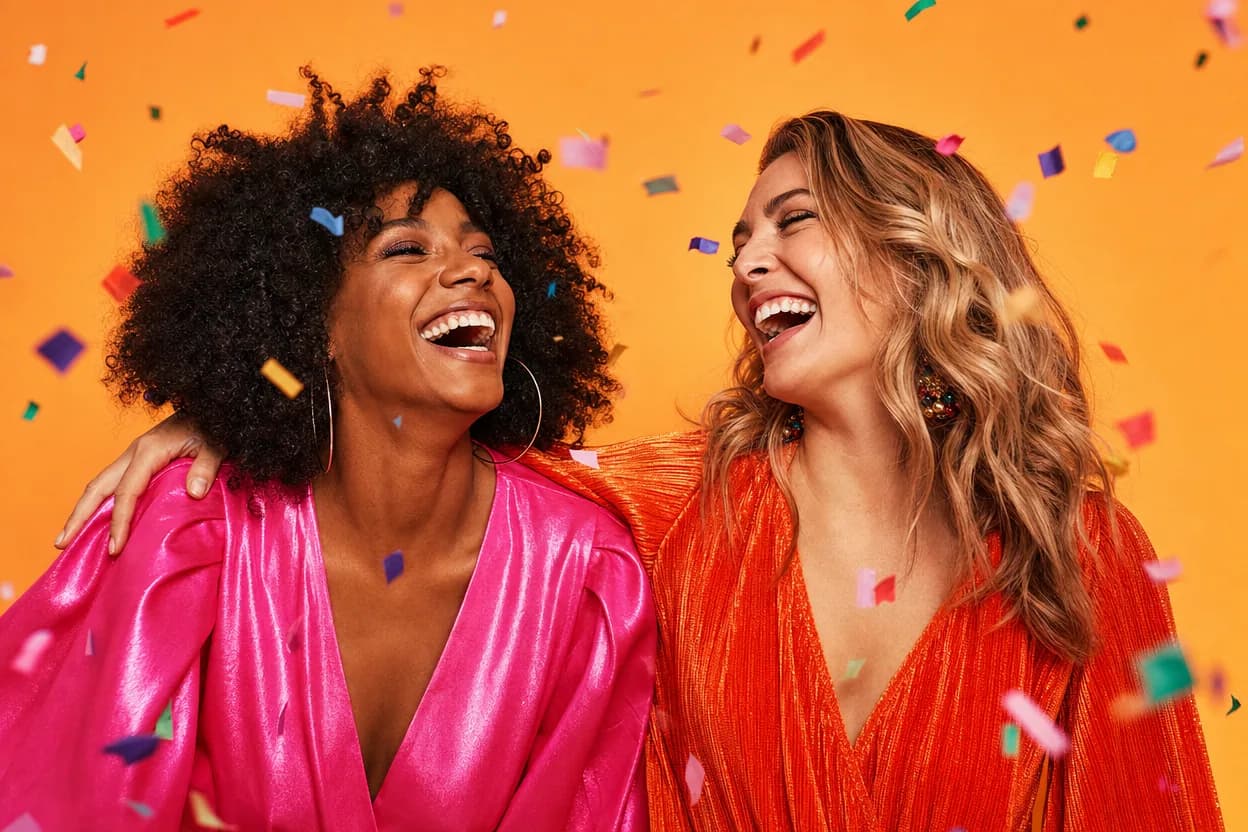
Birthday greetings
Birthday Photo to Video
A birthday photo to video lets two people share one short, upbeat clip without filming together. It works for a joint greeting, a long-distance message, or a playful post for someone who is hard to gather in one room.
Open this use case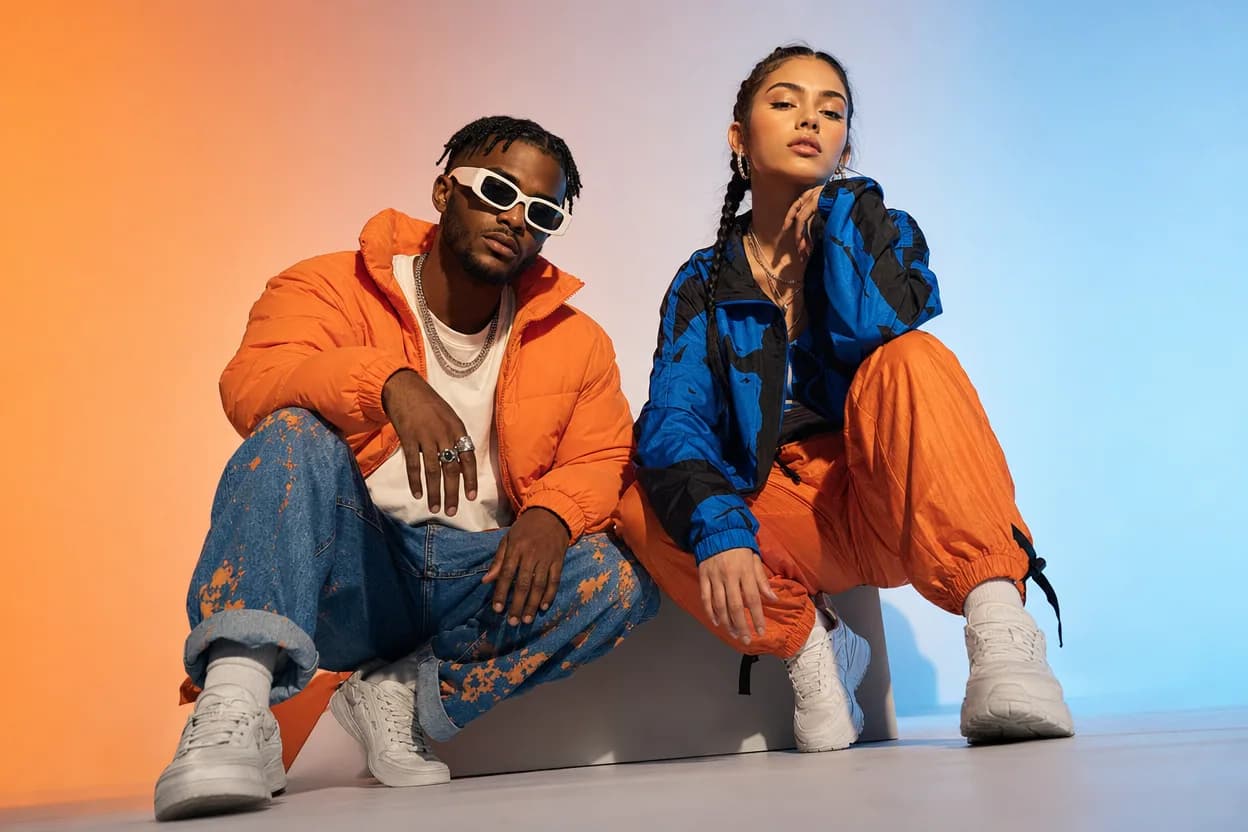
Social clips
Social Media Duo Video
A social media duo video is a short, shareable clip built from two portraits. It gives a post a moving visual without a shoot, a script, or a shared filming session.
Open this use caseRelated reading
 hotel lobby ai video generator
Hotel Lobby AI Video Generator: Turn Two Photos Into a Duo Video
Learn what a hotel lobby AI video generator does, why two photos are enough, and how preset motion templates turn portraits into a finished duo clip.
 ai motion transfer video
AI Motion Transfer Video: How Movement Moves Between People
Motion transfer is the engine behind template-based video generation. Here is how a source scene's movement ends up in a clip built from your photos.
 how to make an ai video from photos
How to Make an AI Video From Photos: A Complete Walkthrough
A complete walkthrough of turning photos into a generated video, from choosing the images to downloading the finished MP4.